The moment you notice more hair in the shower drain or on your pillow, your mind starts racing to the worst-case possibilities.
Is this temporary shedding or the start of permanent hair loss?
The difference matters because the cause, prognosis, and treatment are very different. Our GetHairMD providers see both scenarios every day, and our priority is to separate reversible, short‑term shedding from progressive follicular miniaturization so you get the right plan at the right time. This guide explains the practical signs, common triggers, diagnostic steps, and treatment principles that help you tell whether you’re shedding or losing hair.
Did you know that hair grows in cycles?
There is a long anagen (growth) phase, a brief catagen (transition) phase, and a resting telogen phase before the shaft is shed and the cycle restarts. Most people lose roughly 50–100 hairs per day as part of this normal turnover.
Shedding becomes noticeable when a large number of follicles are pushed into telogen at once, which is why you suddenly see more hair on your brush, pillow, or shower drain. This pattern, called telogen effluvium, typically begins two to three months after a triggering event, such as physiological stress, and often resolves over several months once the cause is addressed.
Telogen effluvium usually presents as general thinning across the scalp rather than a patterned recession. The fallen hairs are often full‑thickness shafts rather than the progressively thinner hairs seen in pattern loss.
Common triggers include severe illness, surgery, childbirth, abrupt weight loss, major emotional stress, or certain medications. If your increased shedding began after a clear trigger and you don’t have a family history of patterned thinning, there’s a good chance the process is temporary. Consider that supportive care and targeted testing can speed recovery.
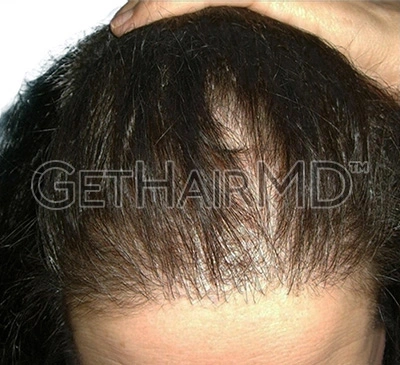
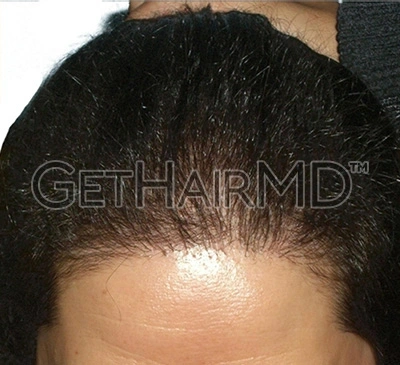
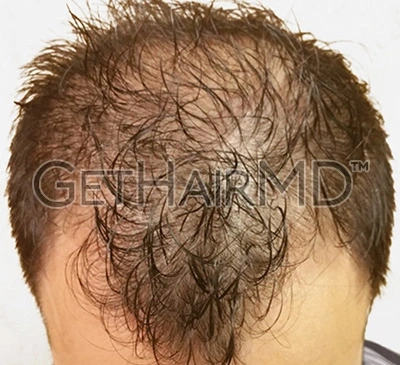
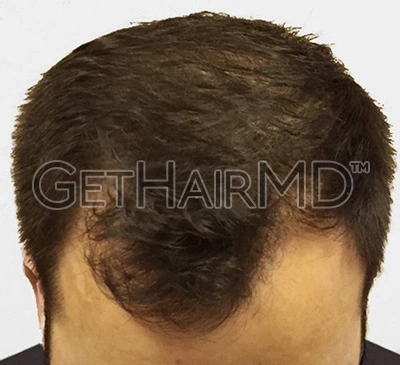
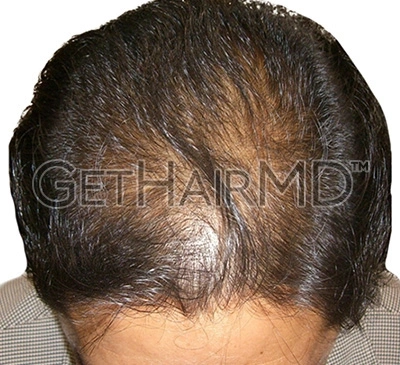
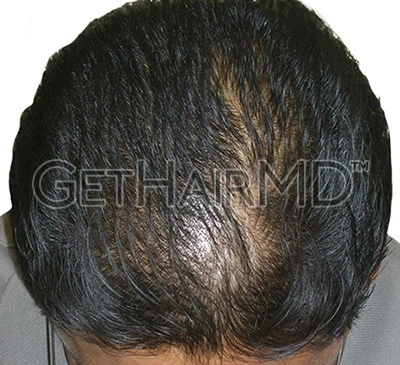
Androgenetic alopecia (pattern hair loss) is a chronic, genetically influenced process in which susceptible follicles gradually miniaturize under hormonal influence. Clinically, it presents with a recognizable pattern: a widening central part and diffuse thinning across the crown in many women, and frontal recession or vertex thinning in men.
The key diagnostic clue is an increasing proportion of fine, miniaturized hairs on the scalp rather than full‑thickness shafts. Unlike telogen effluvium, pattern loss tends to progress without ongoing treatment.
Treatment Principles That Support, Correct, and Preserve
If telogen effluvium is diagnosed, the primary strategy is to identify and correct the trigger, optimize nutrition and scalp health, and provide supportive therapies (gentle topical agents and, in some cases, short-term minoxidil) while monitoring recovery.
For androgenetic alopecia, the approach is long‑term. This can include topical minoxidil, oral therapies for eligible patients, and in‑office regenerative procedures (clinical hair growth laser, bioelectric stimulation, non-invasive serum delivery) to preserve and restore follicular function.
Most successful plans combine in‑clinic procedures to jump‑start regrowth with at‑home maintenance to sustain gains.
GetHairMD is a physician‑led network that emphasizes objective monitoring, diagnostic rigor, and individualized, evidence‑based plans.
Our clinicians use standardized imaging and data‑driven protocols to separate shedding from true hair loss, then match in‑office and at‑home therapies to your goals and lifestyle.
The combination of medical oversight, measurable outcomes, and coordinated care gives our patients the best chance to stop progression and restore density.
If you’re unsure whether you’re shedding or losing hair, schedule a diagnostic consultation with a GetHairMD provider. Connect with one of our trusted hair restoration specialists in your area who understands your unique goals. Early evaluation clarifies the cause, identifies reversible contributors, and lets us design a targeted plan so you can stop guessing and start treating with confidence.