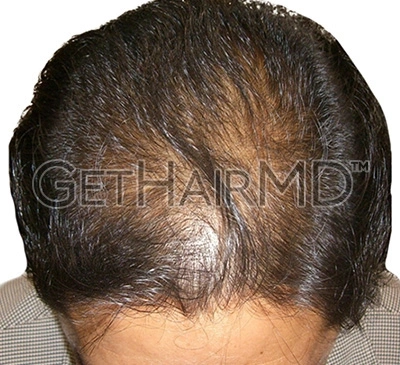
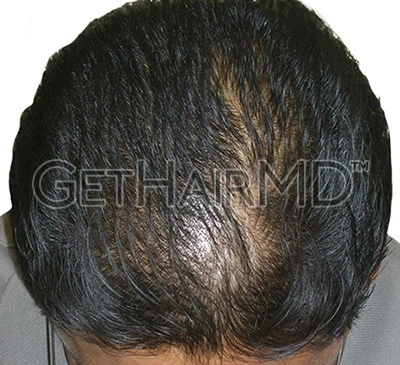
Hair loss doesn’t play favorites, and it doesn’t play fair. The way it shows up, the reasons behind it, and how it responds to treatment can look completely different depending on whether you’re a man or a woman. Understanding those differences is the key to actually doing something about it.
More Than Just a Receding Hairline
When most people think about hair loss, they picture a man with a receding hairline or a thinning crown. While that’s a common reality for millions of men, it only tells half the story.
Hair loss affects both men and women, while the patterns, causes, and emotional weight can vary significantly. For most men, thinning often follows a predictable path. For women, however, it can feel like the hair is simply fading everywhere at once, making it harder to spot early and even harder to explain. The first step toward real results is understanding which type of hair loss you’re actually dealing with.
The Different Pattern Matters
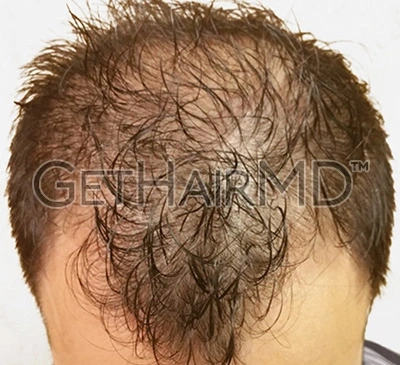
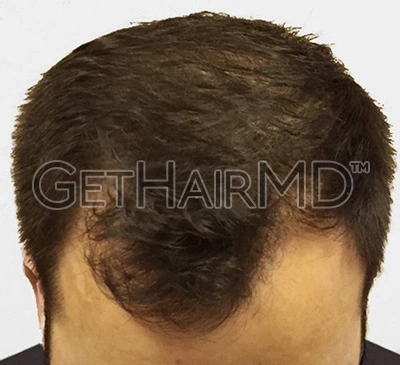
In men, hair loss typically follows the pattern known as the Norwood Scale. This is a well-documented progression that starts with a receding hairline at the temples, moves to thinning at the crown, and eventually leads to significant loss across the top of the scalp. It’s incremental, it’s predictable, and it often begins as early as a man’s twenties.
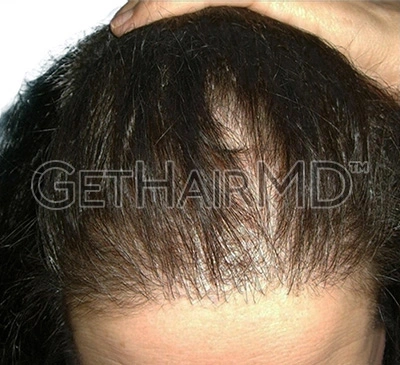
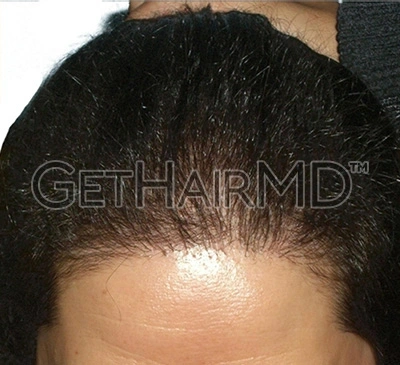
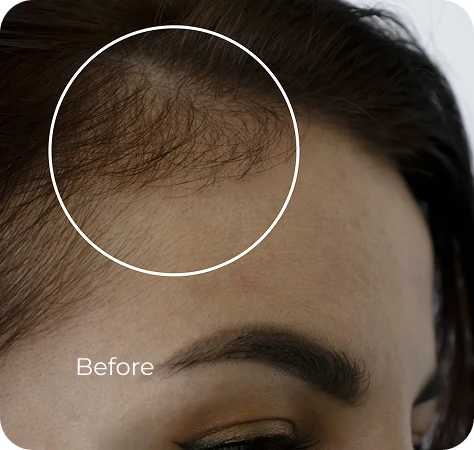
In women, the pattern is less overt. The scale we use is called the Ludwig scale. Female hair loss most often presents as a general thinning across the top of the scalp, with the part line broadening over time. Unlike men, women rarely lose their hairline entirely. Instead, the hair gradually becomes finer and less dense. This change is often easy to dismiss until it becomes impossible to ignore.
Both patterns are real. Both are treatable. However, they require different approaches, which is exactly why a personalized diagnosis matters so much.
The Root Causes Aren’t Always the Same
The most common driver of hair loss in both men and women is androgenetic alopecia, a genetic sensitivity to the hormone dihydrotestosterone (DHT). However, the way sensitivity plays out is heavily influenced by biology.
Beyond hormones, women are also more likely to experience hair loss related to high levels of chronic stress, thyroid disorders, and nutritional deficiencies. Men are more likely to see early-onset genetic loss that progresses steadily with age.
In men, DHT tends to attack the hairline and crown with a cruel vengeance. In women, the same hormone causes a more diffuse thinning that is often held “together” by estrogen. This is why menopause, postpartum recovery, and hormonal imbalances frequently trigger or accelerate hair loss in women.
None of this is one-size-fits-all. A treatment plan that works brilliantly for one person may do nothing for another if the underlying cause hasn’t been properly identified.
Do Men and Women Need Different Hair-Loss Treatments?
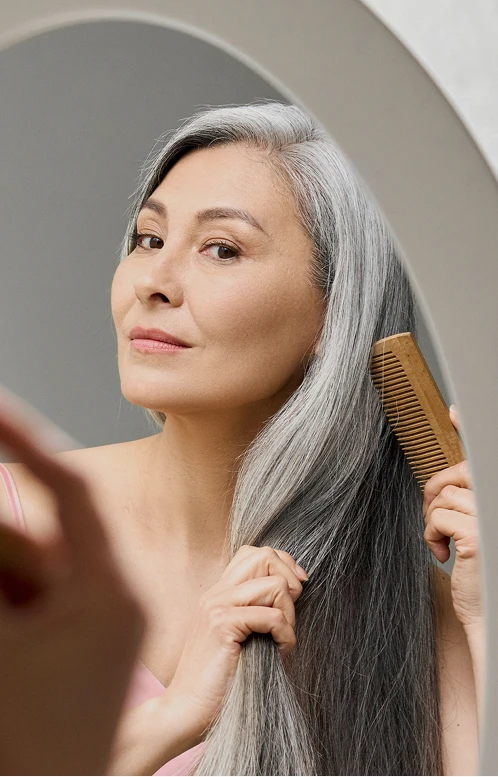
Sometimes, but there is considerable overlap.
Treatment depends on the diagnosis, severity, follicle viability, medical history, pregnancy status, goals, and expected ability to follow a long-term plan. Options may include topical or prescription medication, low-level laser therapy, scalp-directed treatments, nutritional support when a deficiency is present, or hair transplantation for appropriate candidates.
Some medications are not suitable during pregnancy or breastfeeding. Prescription options can also differ between men and women because of potential side effects and hormonal considerations.
Certain low-level laser devices have received FDA clearance to promote hair growth in men and women with specified patterns of androgenetic alopecia. “FDA cleared” applies to a particular device and its stated indication; it does not mean every light-based hair product has been reviewed in the same way.
The most effective plan may combine several appropriate therapies, but more treatment is not automatically better. Each part of the plan should have a clear purpose based on the patient’s diagnosis.
The Emotional Weight Is Real for Everyone
The emotional weight is real, and it’s part of why early intervention matters. The sooner hair loss is addressed, the more options that are still on the table and the better the results tend to be.
Hair loss is rarely just about hair. For women, it can be more isolating, in part because it’s less openly discussed and less often recognized by others. For men, losing it can feel like losing a piece of identity, especially when it starts young.
Why Choose GetHairMD?
At GetHairMD, hair loss is not a cosmetic inconvenience. It’s a medical condition that deserves a real solution.
With more than 80 locations nationwide, GetHairMD connects patients with a physician-led network that takes a true multimodality approach to hair restoration. That means advanced diagnostics like the HairMetrix Hair Analysis and HairCodeRx genetic testing to identify the root cause of your loss before any treatment begins.
From there, a personalized plan is built around you. Whether that means in-clinic treatments like the Clinical Hair Growth Laser or CryoWave CX, at-home care solutions like the LightSmart Cap, or a combination of both, every step is designed to stop further loss, improve scalp health, and stimulate real regrowth.
The difference between GetHairMD and others’ one-size-fits-all solution? Our solution is built around your biology, your goals, and your timeline.
Frequently Asked Questions
Schedule Your Hair-Loss Consultation
Whether you have just started noticing changes or have watched your hair thin for years, an evaluation can help you understand what is happening and what options remain.
Find a GetHairMD provider near you to receive a professional assessment and a treatment plan built around your diagnosis, goals, and medical history.
This article is for general educational purposes and does not replace professional medical advice, diagnosis, or treatment.